The building had gone dark, and the town wanted it back
Nobody hired me for this one. In November 2016 a partner and I took over Greensleeves Steakhouse in downtown Redlands, 50/50, for effectively nothing. The old Joe Greensleeves building had been a restaurant since 1892, one of the oldest business buildings in the city, and by the autumn of 2016 it was dark. A fire had closed it. What came with the deal was the restaurant business, the brands, the lease on the space, and everything still standing inside the walls: the kitchen, the furniture, the fixtures, the bars, the alcohol. Not the building.
The prior operator's old site is still online, and its closed Yelp listing still carries the old room's reviews and photographs, including the one below.
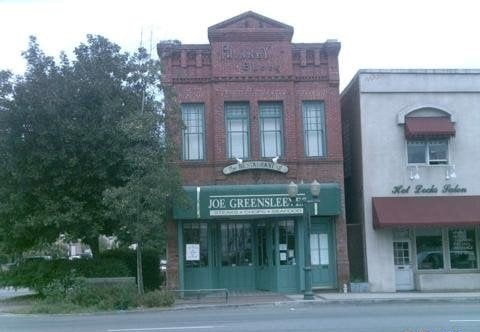
I want to be exact about that, because it decided everything that followed.
What we owned and what we did not. A traditional restaurant deal. Ours outright: the business, the brands, the equipment, the furniture and fixtures, the bars and the stock. Not ours: the building. The space was leased, the lease came with the business, and every dollar we later put into the room was a dollar spent on somebody else's real estate.
The condition of the place was cosmetic, not fundamental. The kitchen was there. The rooms were there. The name meant something to people who had eaten there for decades, and the people who had run it, the cooks and the servers who knew the regulars by name, had lost their jobs when it closed and wanted it back open. What was missing was an operator, a plan for the room, and a reason for the town to come back. That is a launch problem, not a restoration problem, and treating it as a restoration is how most people lose a place like this. They fix the building first, because the building is the visible work, and then they open a beautiful room to a town that has moved on.
My read going in was that the goodwill was the asset and the building was the container. That read held. What I underestimated was how long it would take to find the one person who could carry the standard on the floor on the nights I was not there.
Get the term before the money
The decision that mattered most cost nothing and happened before the first drawing was approved.
A tenant improvement is worth exactly as much as the term left to earn it back. If you put a large renovation into a leased room with a short term remaining, the improvement is a gift to the landlord: at expiry he owns a rebuilt restaurant and you own the memory of paying for it. Most operators renovate first and negotiate the lease later, from what they think is strength, once the room looks like something a landlord would want to keep. It is exactly backwards. The landlord holding a burned, dark building has every reason to extend before you spend, and much less reason after.
So the first thing I did was not spend a dollar. I went and got the lease extended. Only then did about $600,000 of renovation make sense, and Tellus Design + Build, my own company, drew the rooms around the lease extension.
The building is still somebody else's, and the restaurant is still in it. The restaurant's own site opens on this view of the corner.
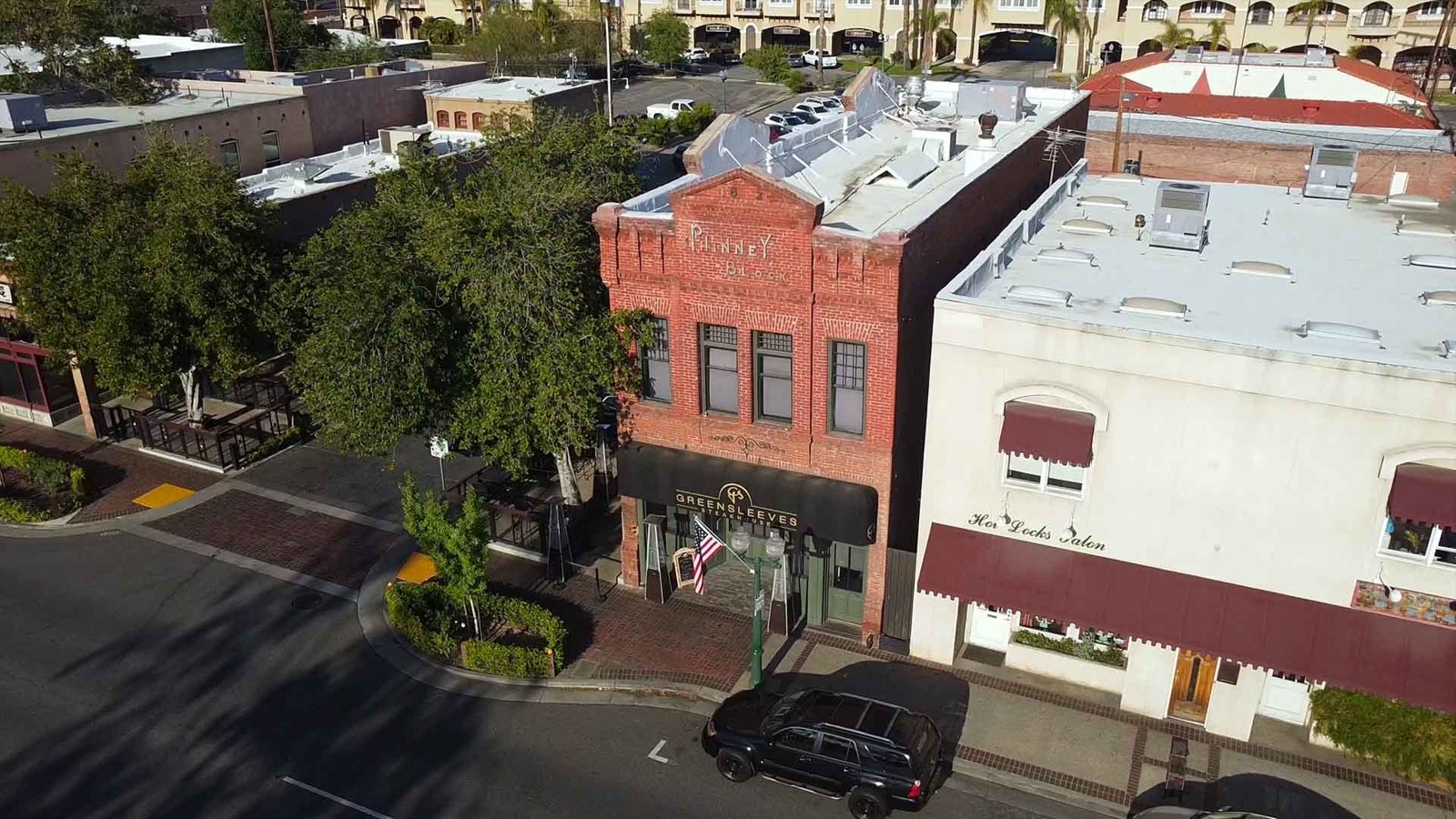
| The branches, and what each one costs in words | |
|---|---|
| Renovate now on the existing term | Fastest reopening. The improvement accrues to the landlord at expiry; the payback period is whatever term is left, and it was not enough. |
| Extend the lease first, then renovate | Slower by the length of a negotiation, from the weakest position you will ever hold on that lease. The payback period becomes real. Chosen. |
| Walk away | No risk. The town loses the place, the former staff stay scattered, and the goodwill that made the deal cheap goes to whoever buys the story next. |
Attachment A walks the three branches, and the two decisions nested under the chosen one, in full.
How I came at this one
The first question was who would own the room when the money was spent, not what the room should look like: what was I actually buying, and who would keep the value. That question fit because the building was not ours, so the right to occupy was the asset and the renovation was only as good as the term behind it. The second question, once the room was rebuilt and still not working, was where the real decision point sat: not on the plate, where a builder looks first, but on the floor, in one person.